Get Ready for the Primary

Voting in March should be easy.

How primaries work in Texas

Think of the March primary like the big NCAA March Madness tournament. It sets the field for the finals.

1

March: Primary Election

Multiple candidates compete. You choose which party's ballot (Democratic or Republican) to vote on. It doesn’t matter your party affiliation, you pick!


2

May: Runoff (If Needed)

If no one receives 50% or more, the top two candidates face off in a runoff election.


3

November: General Election

Primary winners compete. But in most districts, the primary winner is virtually guaranteed to win.

voting shouldn’t Be stressful

Being prepared doesn’t mean following politics closely. It means knowing a few basic things ahead of time.

How to participate

When the election is happening

Where to find trusted information

When you have a plan, voting is easy.

5 steps to get ready

Step 1: Confirm your address and voter status

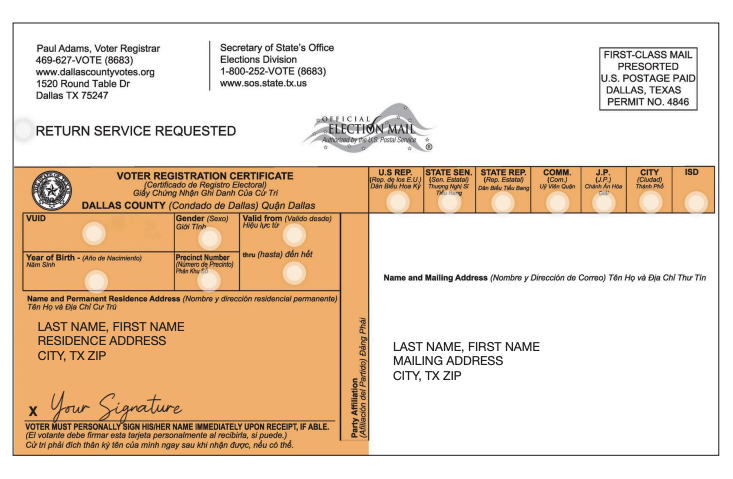
Before anything else, make sure you are registered to vote and that your information is current.

Take two minutes to check:

  • Your registration status

  • Your name and address

  • Your voting precinct

If anything needs updating, do it early.

Check status

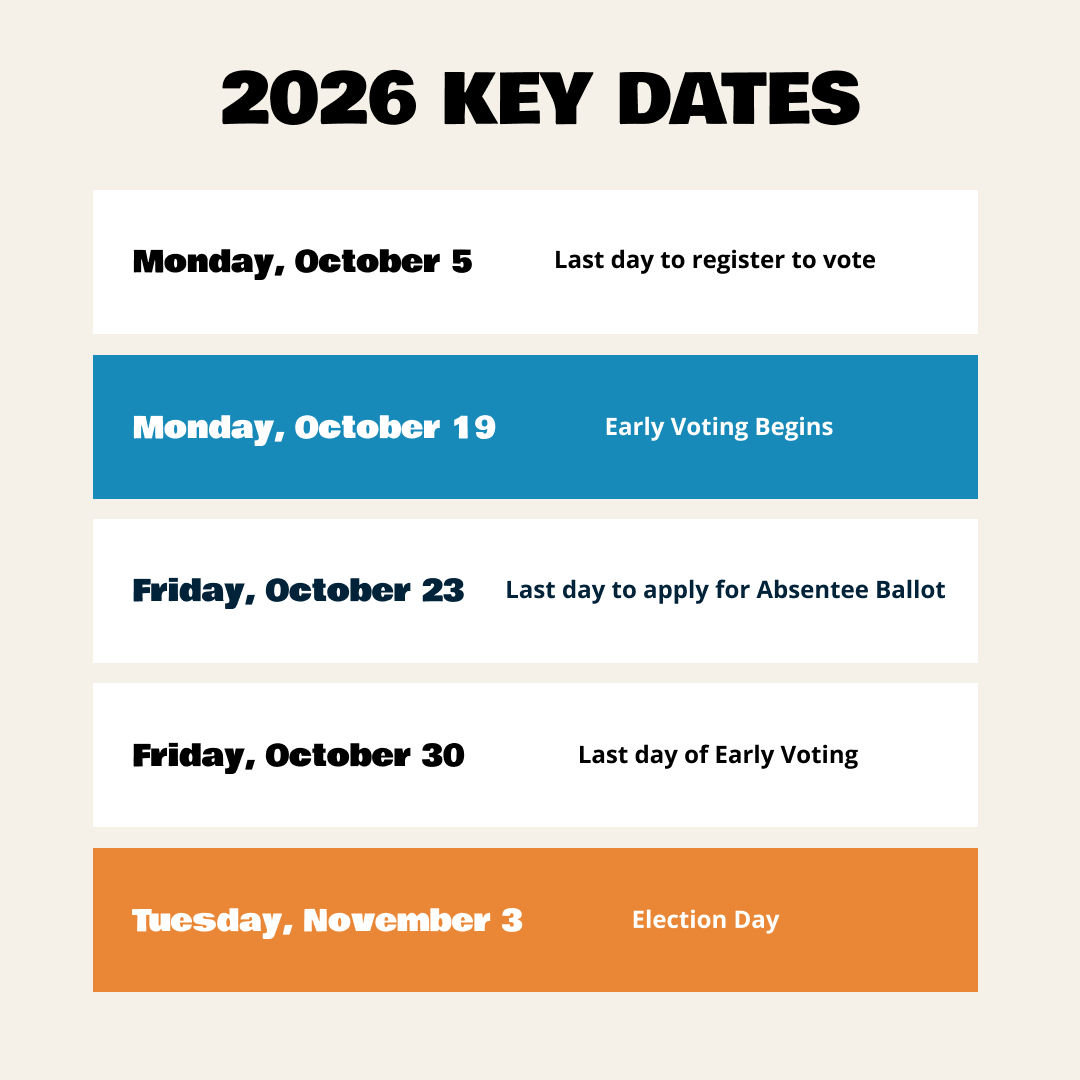
Step 2: Save key dates on your calendar

Primaries follow a different timeline than November elections.

At a minimum, know:

  • The date of the March primary

  • The early voting period

  • The deadline to request a mail ballot if you plan to vote by mail

Putting these dates on your calendar now means less last-minute stress later.

Download this ical:

save dates

Step 3: Decide when and how to submit your ballot

Texas offers ways to vote. Pick the one that works best for you.

Options include:

  • Voting early in person

  • Voting on Election Day

  • Voting by mail, if you are eligible

Voters with disabilities check the latest information here.

Deciding ahead of time helps avoid last minute stress.

Vote in person
Vote by mail

Step 4: find your polling place

Polling locations can change between elections.

Look up:

  • Where you can vote early

  • Where to vote on Election Day

  • The hours of operation

Plan your visit the same way you would plan an appointment or errand.

pick a place

Step 5: Review & Research your ballot

Ballots vary by location and party primary.

Before you vote, take a few minutes to:

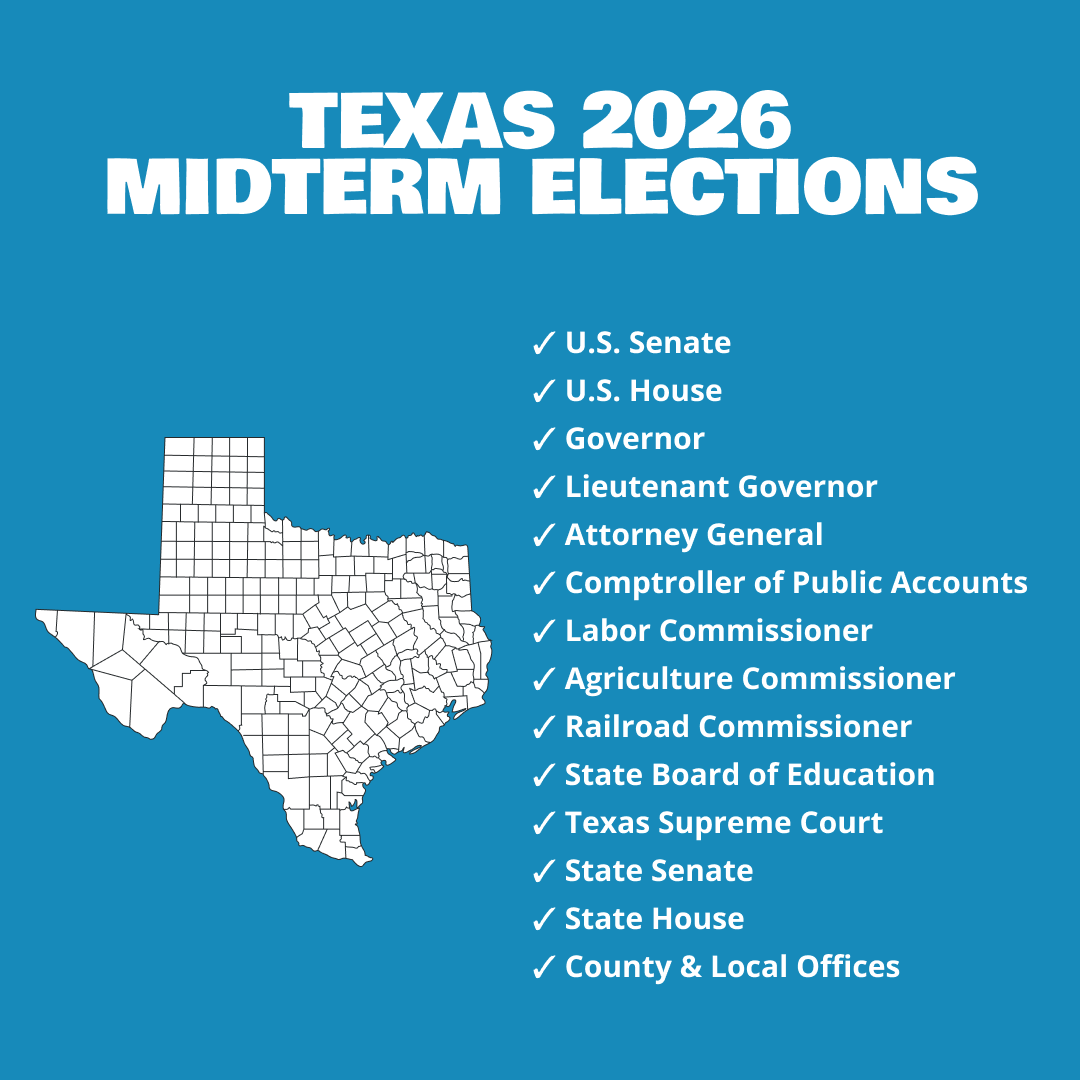
  • See which races will appear on your ballot

  • Understand what offices are being decided

  • Note any local races or propositions

Need to research a candidate or issue? Stick with:

  • Official Texas election resources

  • Nonpartisan voter information sites

  • Local election offices

Reliable information removes uncertainty.

View Your ballot

Now You’re Ready!

Additional Voter Resources

All resources listed here come from official government agencies and trusted nonpartisan organizations.

Voting

Texas Secretary of State – Elections Division
https://www.votetexas.gov
For Texans seeking official information on voter registration, voting options, and election dates.

Vote.org
https://www.vote.org
For organizations with people across multiple states needing nonpartisan voting tools.

Who represents me?

Texas Legislature – Who Represents Me?
https://wrm.capitol.texas.gov/home
For Texans identifying their state and federal elected officials by address.

USA.gov – Elected Officials
https://www.usa.gov/elected-officials
For anyone looking up federal offices and roles across the U.S. government.

Ballot Info

Texas Secretary of State – Ballot Information
https://www.votetexas.gov
For Texans looking up official ballot content and local races by county.

Ballotpedia
https://ballotpedia.org
For neutral, nonpartisan election information nationwide.

campaign finance

Texas Ethics Commission
https://www.ethics.state.tx.us
For Texans reviewing official campaign finance filings for state and local candidates.

Federal Election Commission (FEC)
https://www.fec.gov
For anyone researching federal campaign finance data and rules nationwide.

USAFacts
https://usafacts.org
For data-driven, nonpartisan facts on major national issues using official government data.

League of Women Voters Education Fund
https://www.lwv.org/education
For plain-language, nonpartisan explanations of public issues and civic processes.

Pew Research Center
https://www.pewresearch.org
For nonpartisan research on public opinion, demographics, and civic trends.

issues & explainers

Judges & Courts

Texas Judicial Branch
https://www.txcourts.gov
For Texans seeking official information on Texas courts, judges, and judicial structure.

Oyez
https://www.oyez.org
For anyone researching U.S. Supreme Court cases, justices, and audio recordings.

Fact Checking

FactCheck.org
https://www.factcheck.org
For nonpartisan verification of political claims and public statements.

PolitiFact
https://www.politifact.com
For fact-checking journalism that rates the accuracy of public claims.

Spread the Word

〰️

Spread the Word 〰️

Want to become a March Matters influencer?

Access our toolkit with copy, creative and tools to help get your network educated and engaged.

Get the toolkit